Ever Wondered What Actually Happens to Tattoo Ink Under Your Skin?
what happens to tattoo ink under your skin? Discover how tattoo ink settles in the dermis, how your immune system reacts, and why tattoos can last for years.
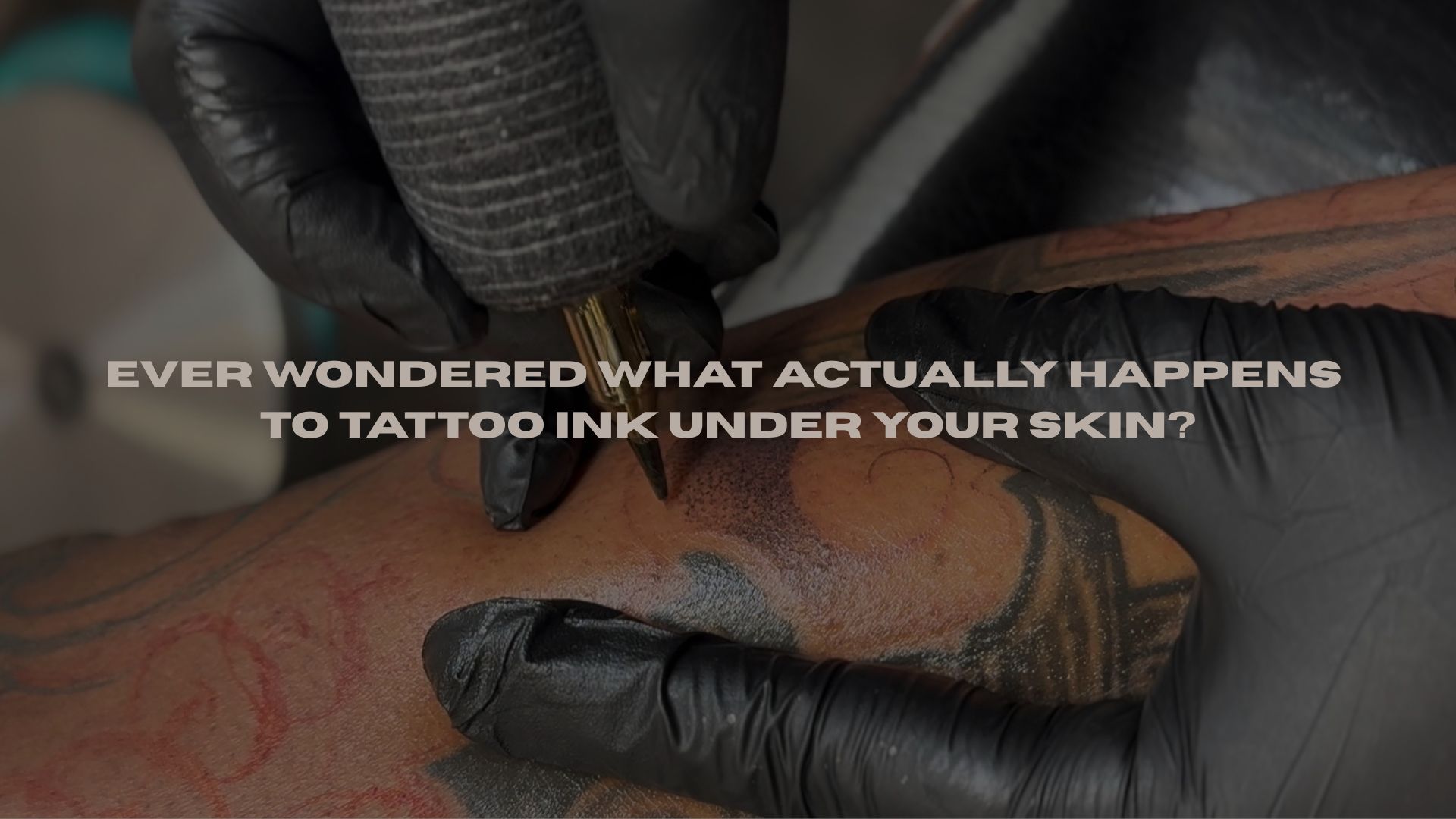
What Actually Happens to Tattoo Ink Under Your Skin?
Ever wondered why tattoo ink doesn’t just wash off?
It’s because tattoo ink is placed deep inside your skin, not just on the surface.
Where Does the Ink Go?
Your skin has three main layers: the epidermis, dermis, and hypodermis.
The epidermis is the outer layer that sheds constantly. The dermis sits underneath it and doesn’t shed in the same way. When you get a tattoo, the needle pushes ink into the dermis. Since the ink is placed on the dermis layer, it stays visible.
What Happens to the Ink After Tattooing?
A fresh tattoo is basically a small wound, so your body immediately starts healing it. Some ink leaves the skin during the healing process. The rest stays in the dermis. Your body sees the ink as something foreign and sends immune cells called macrophages to the area. These cells try to absorb and remove the pigment.
But they can't easily get rid of all the ink. Instead, many of these cells hold onto the pigment, keeping it inside the dermis. When those cells eventually die, other immune cells can pick up the pigment again. This constant process helps keep the tattoo visible for years.
Why Doesn't a Tattoo Fade Away Completely?
Even though tattoos are considered permanent, they can still fade over time. Sun exposure, skin aging, and your body's natural immune activity can slowly affect the pigment. This is why an old tattoo may look lighter than a fresh one.