Hannya Mask Tattoo Meaning Explained - Japanese Tattoo Symbolism
Discover the true meaning behind the Hannya mask tattoo and why it remains one of the most powerful symbols in Japanese tattoo art.
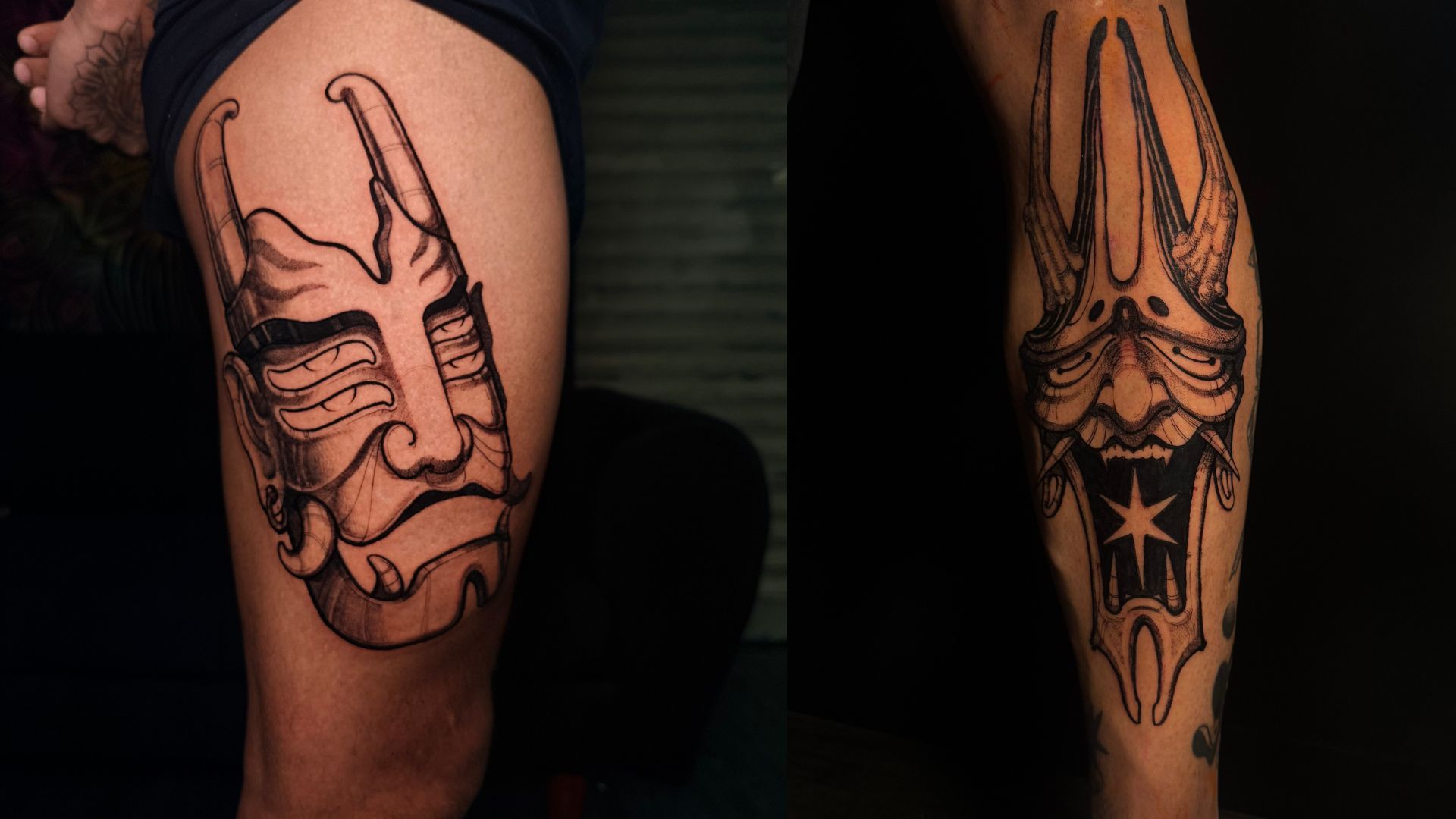
Hannya Mask Tattoo Meaning Explained :
The Hannya mask tattoo is one of the most recognizable designs in Japanese tattoo culture, symbolizing intense emotions, personal transformation, and resilience. Originating from traditional Japanese Noh theater, the Hannya mask represents a woman consumed by jealousy, heartbreak, and rage, transforming into a demon-like figure.
Despite its fierce appearance, a Hannya tattoo is not simply a symbol of anger or evil. It reflects the complexity of human emotions, pain, loss, love, and growth. Many people choose a Hannya mask tattoo as a reminder of overcoming hard experiences and emerging stronger.
In traditional Japanese tattoos (Irezumi), the Hannya mask is often paired with elements like cherry blossoms, snakes, waves, or peonies to add much deeper layers of meaning. These combinations can symbolize transformation, protection, wisdom, and the fleeting nature of life.
Today, the Hannya mask tattoo meaning continues to resonate with those who value strength through adversity. Whether worn as a sleeve, chest piece, or standalone flash design, it remains a timeless symbol of emotional depth, personal growth, and the ability to turn suffering into power.
At PSY Tattoos, Mulund, our Japanese tattoo specialist combines traditional Japanese tattoo principles with custom artistry to create Hannya mask tattoos that are both visually powerful and deeply personal.